Mobile vs Continuous-Flow Pyrolysis: Two Development Pathways
Why a phased approach — starting with mobile units and scaling toward continuous industrial facilities — de-risks development.
Building a biomass-to-biochar business does not have to happen in a single leap. A phased approach — starting with mobile pyrolysis units and scaling toward continuous-flow industrial facilities — allows a project to prove itself, learn and de-risk before committing major capital.
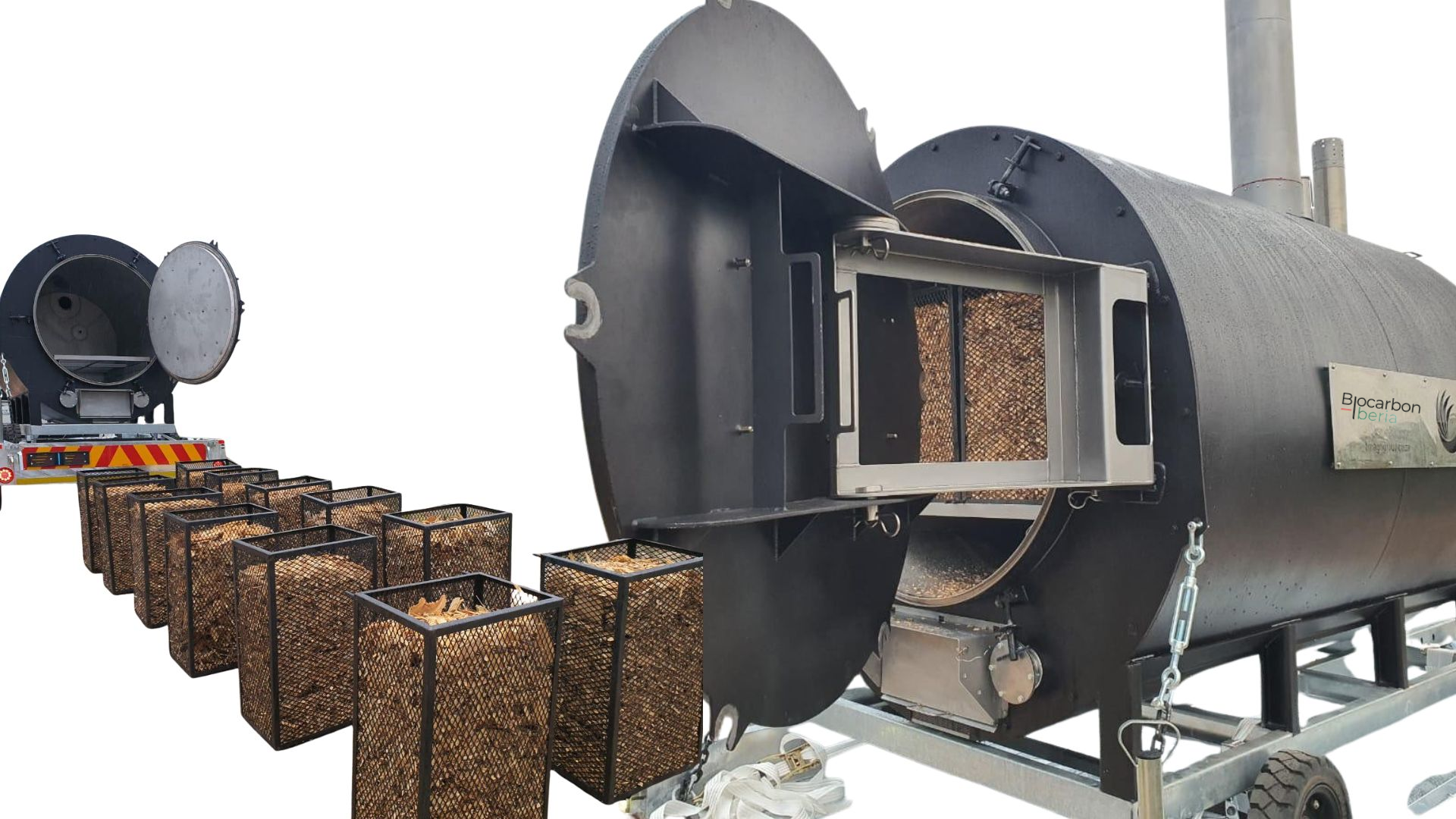
Mobile pyrolysis: proving the model
Mobile units are compact and transportable. They can be brought directly to where biomass is generated, reducing the need to haul low-density residues over long distances. This lets a young venture demonstrate the process close to forestry and agricultural partners, with lower up-front capital intensity.
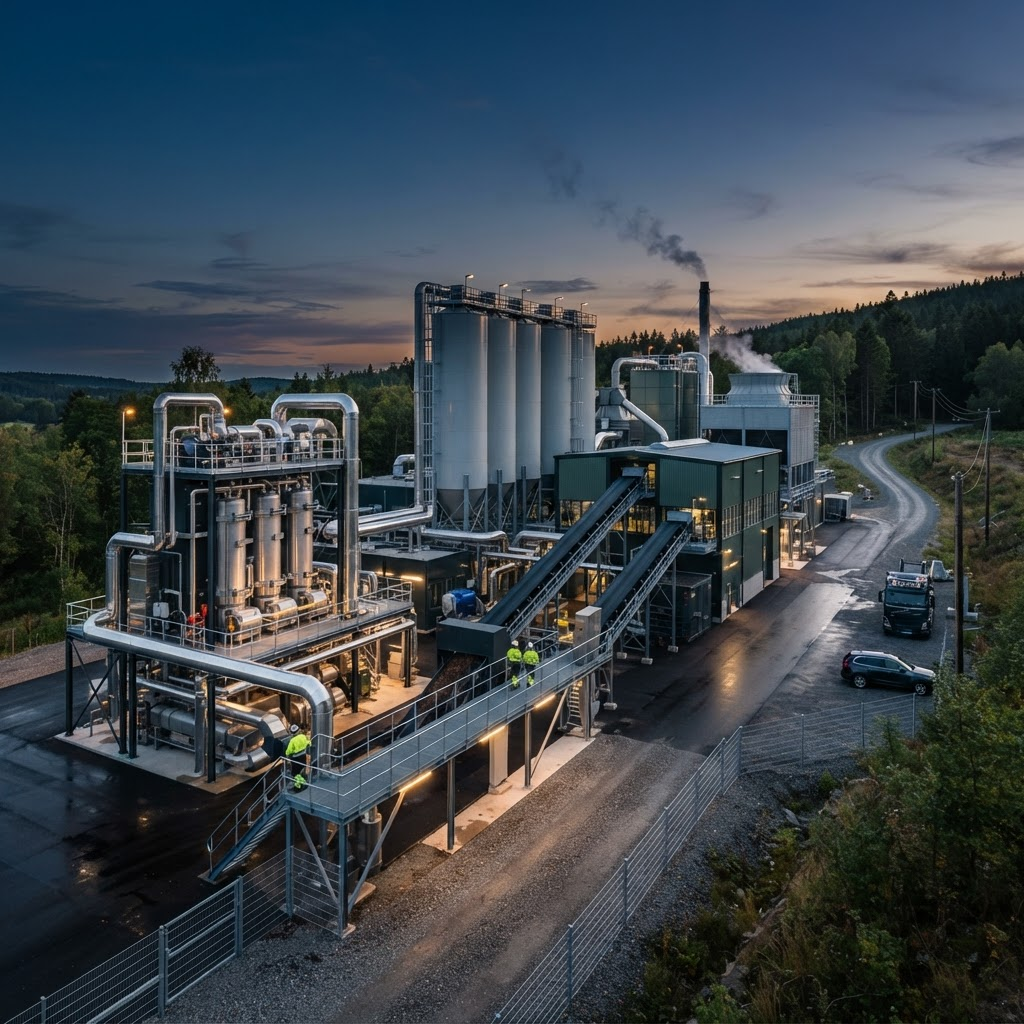
Continuous-flow: scaling up
Continuous-flow facilities are larger, permanent installations designed for steady, high throughput and integrated energy recovery. They are the pathway to producing carbon removal and co-products at meaningful regional scale.
Sequencing these two phases means each stage funds learning for the next — a more resilient route to industrial scale than attempting everything at once.
Why this matters for investors
A phased plan aligns capital with proof points. It reduces the risk of over-committing before the model is validated, and it creates natural milestones against which progress can be measured. For aligned investors, that discipline is part of the appeal.