Pyrolysis Explained: Turning Waste Biomass Into Value
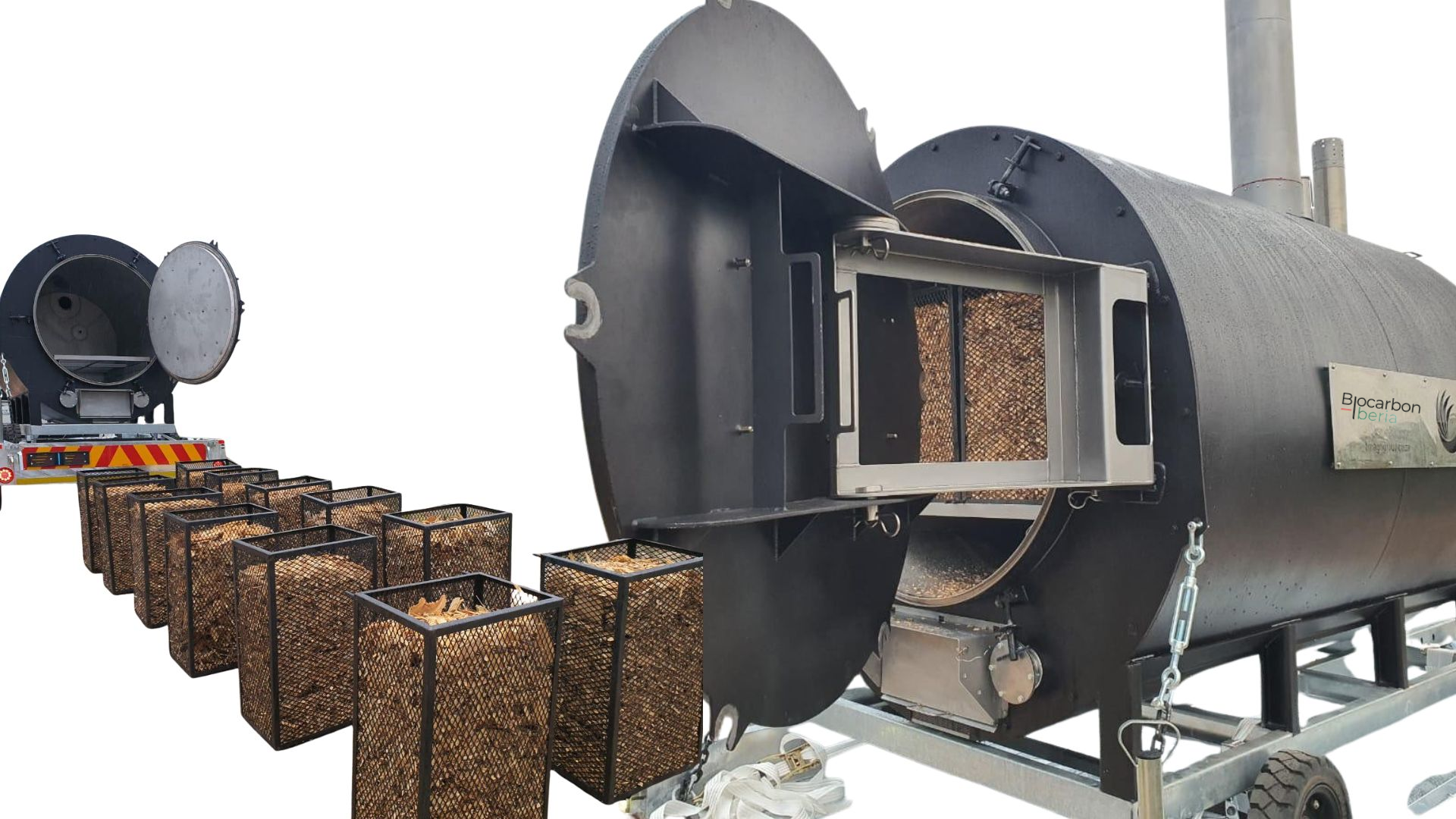
A simple, visual explanation of how pyrolysis thermally converts biomass into biochar, bio-oil, wood vinegar and syngas.
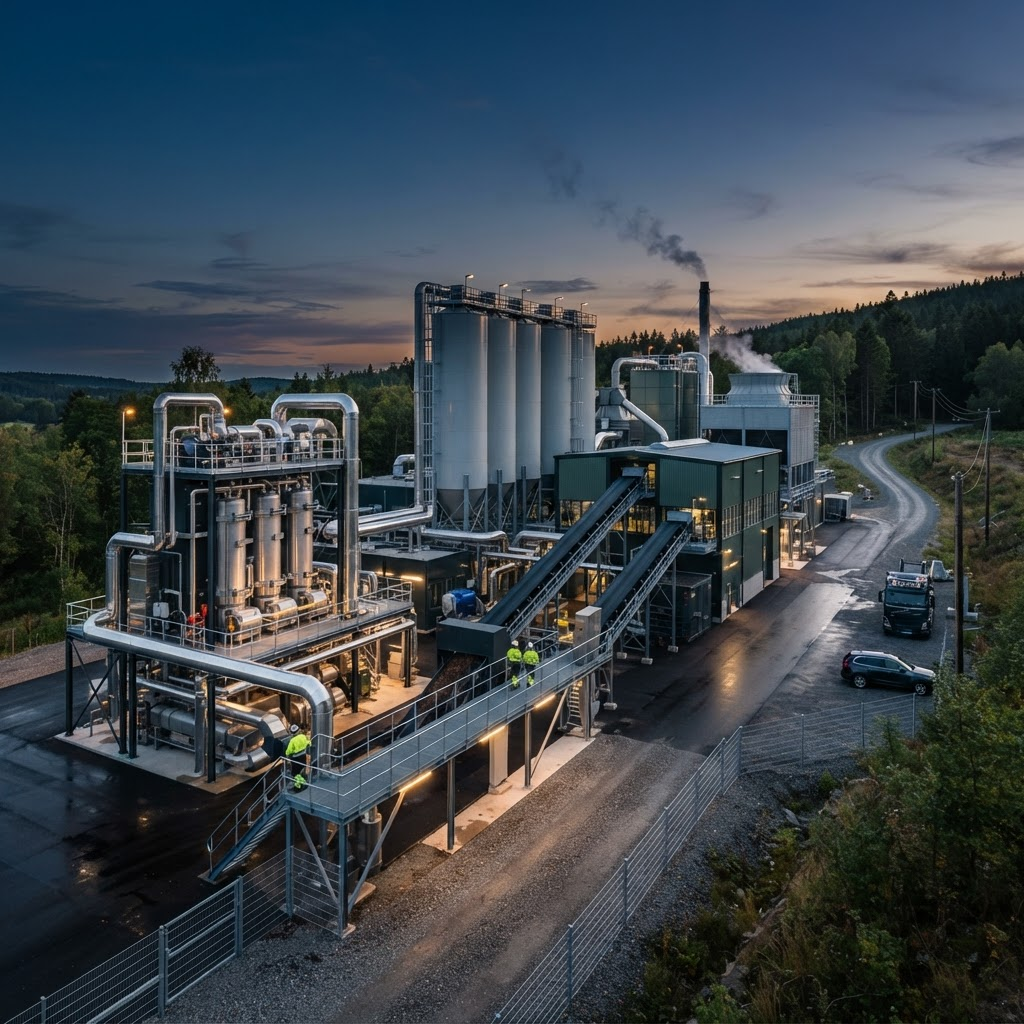
Pyrolysis sounds technical, but the core idea is simple: apply heat to organic material without letting it burn. In the near-absence of oxygen, biomass does not combust — instead it decomposes into a solid carbon fraction and a mix of gases and liquids. The result is a way to extract value from material that would otherwise be treated as waste.
One process, four outputs
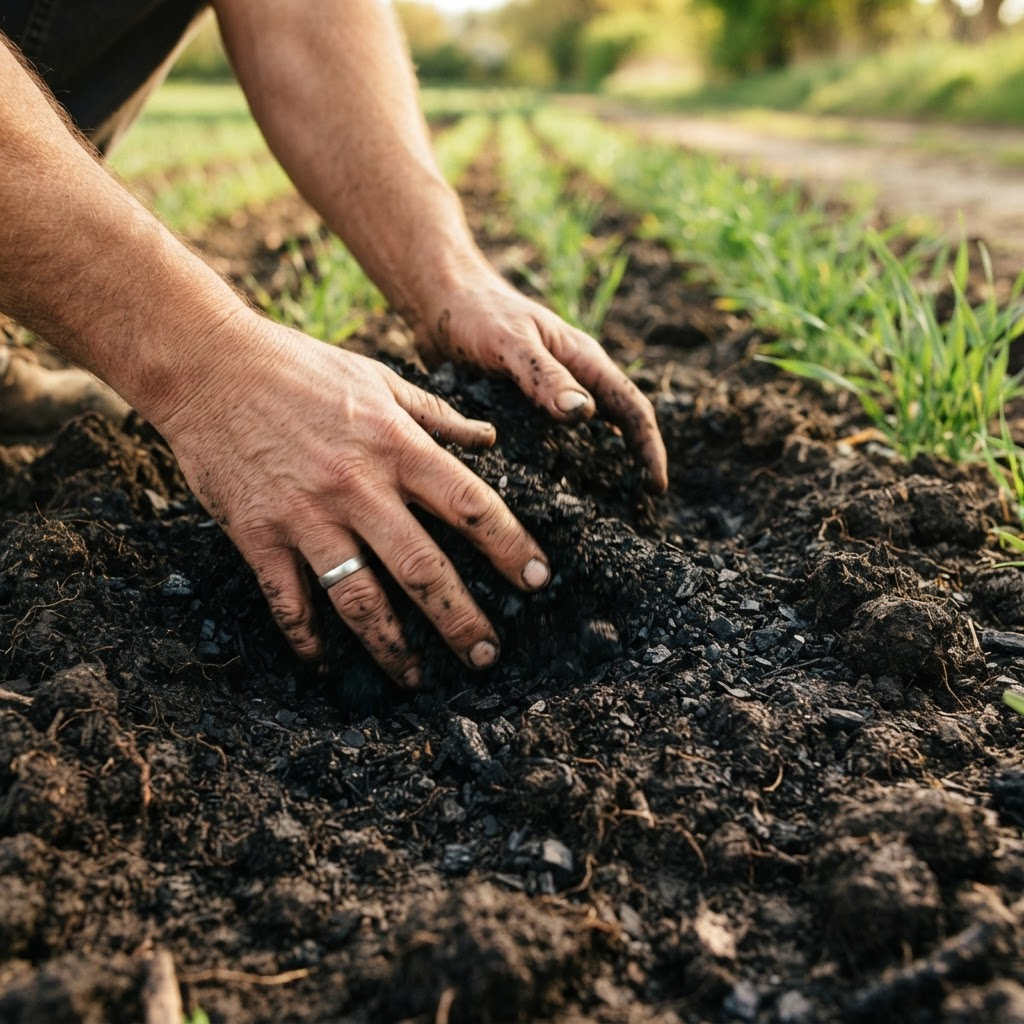
A single pyrolysis process yields several distinct streams. The solid output is biochar — stable, porous and carbon-rich. Alongside it come liquid co-products such as wood vinegar and bio-oil, and a combustible gas known as syngas.
The balance between these outputs depends on the feedstock and the operating conditions, particularly temperature and residence time. This flexibility is part of what makes pyrolysis so useful: the process can be tuned toward the products a project most needs.
From waste to value
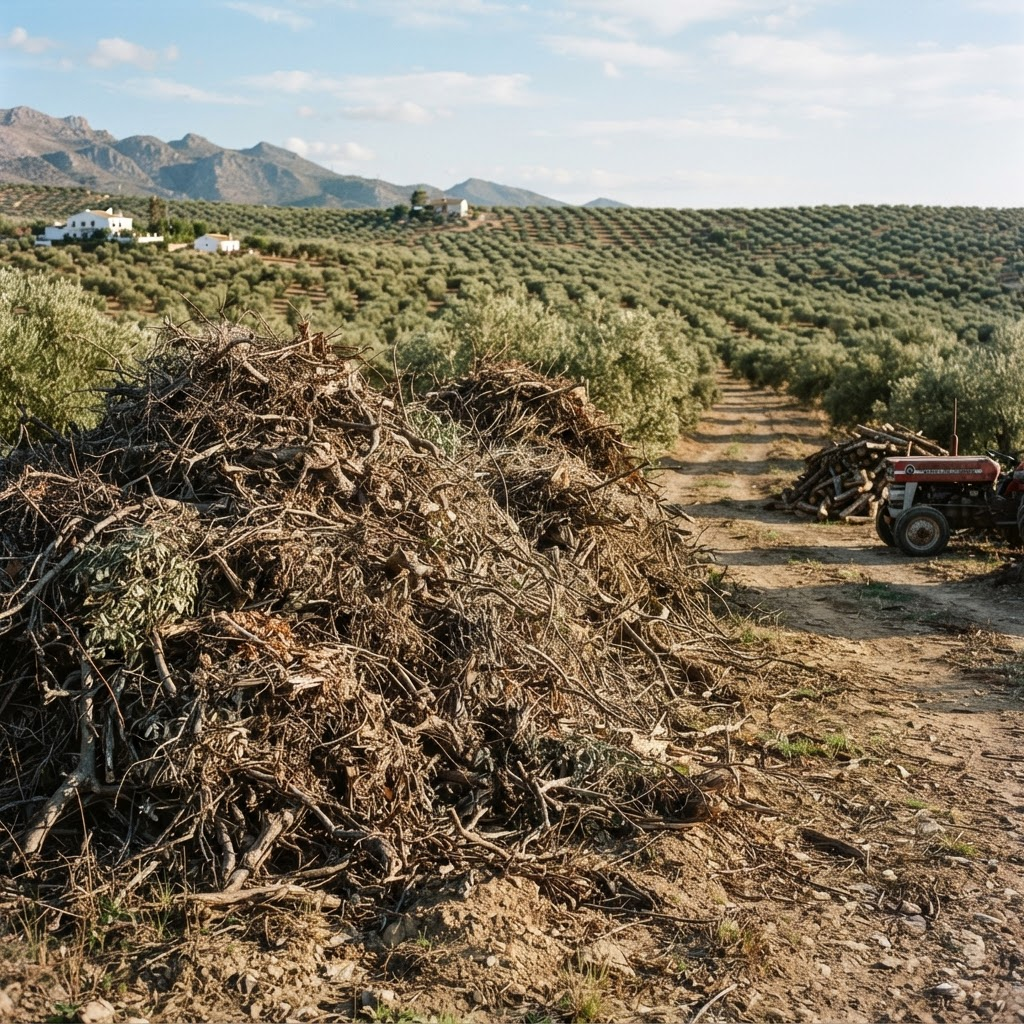
For a region like Andalucía, rich in agricultural and forestry residues, pyrolysis offers a compelling proposition. Residues that are currently a disposal problem become the raw material for biochar, energy and carbon removal — the foundation of a circular carbon economy.