From Olive & Vineyard Residues to a Regional Resource
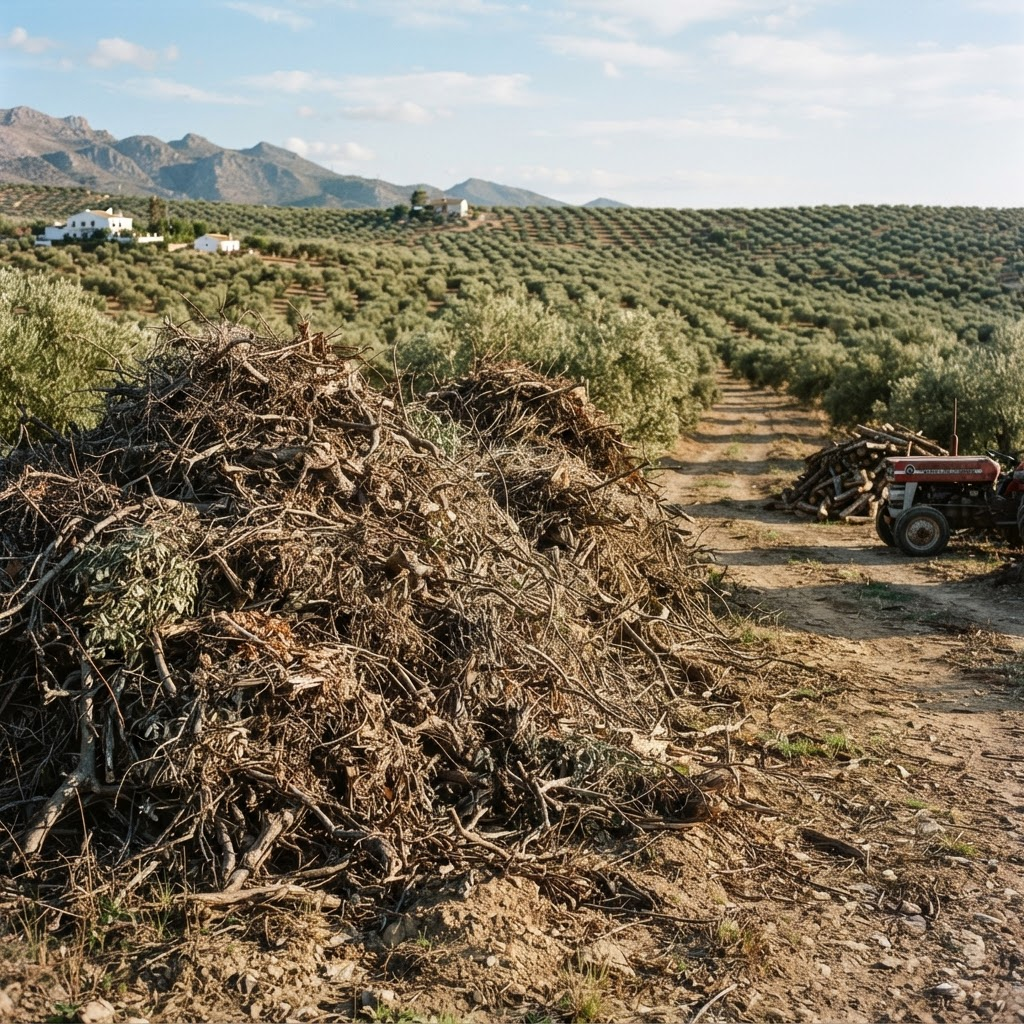
Andalucía generates vast volumes of agricultural prunings each year. We look at how these residues could enter a circular carbon economy.
Every year, the olive groves and vineyards of Andalucía generate vast quantities of prunings. Traditionally, much of this material has been burned in the field — a practice that releases carbon, creates air-quality concerns and, increasingly, raises fire-risk during hotter, drier summers.
A hidden resource
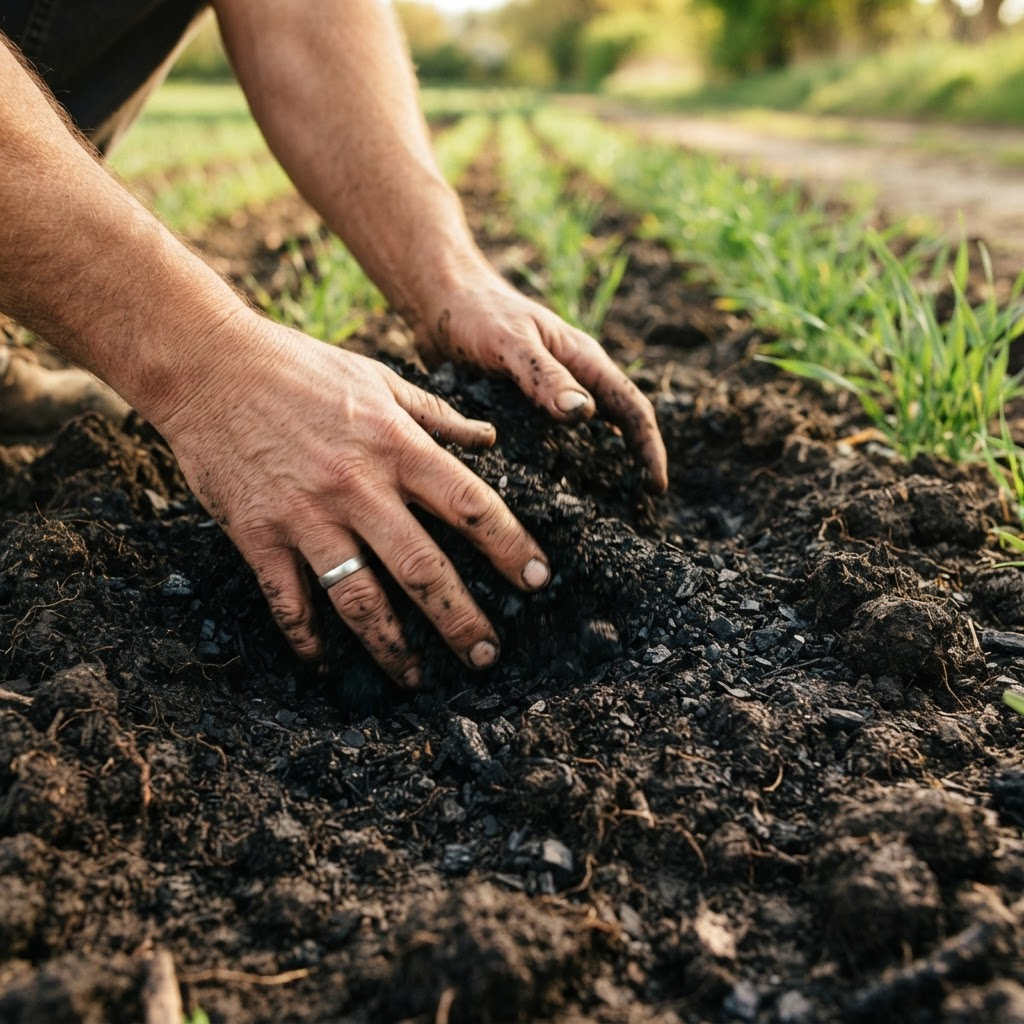
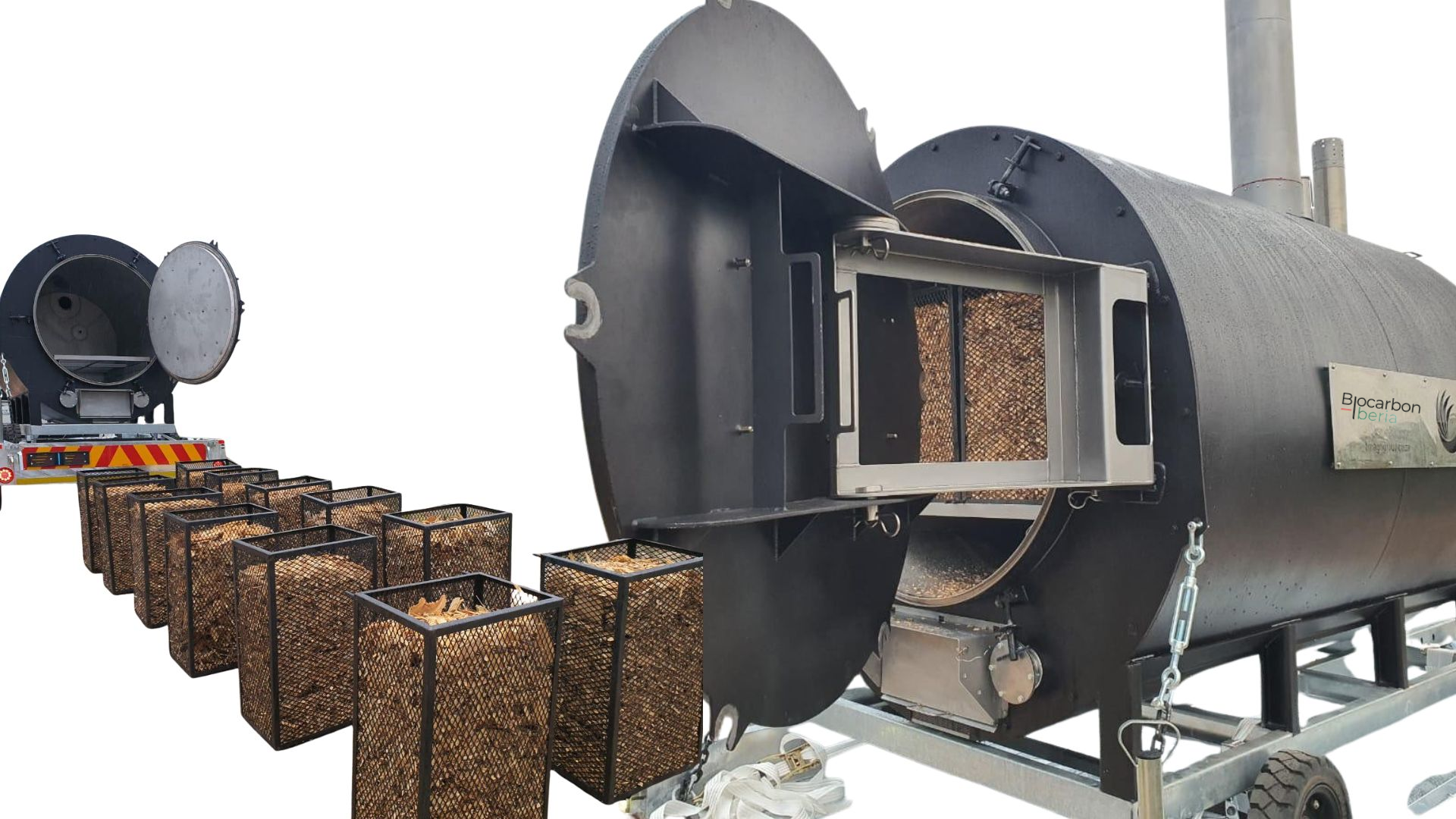
What looks like waste is in fact a distributed, renewable resource. These residues are biomass — and biomass is the feedstock for biochar and carbon removal. By collecting and processing prunings rather than burning them, their carbon can be stabilised and their value captured.
Keeping value local
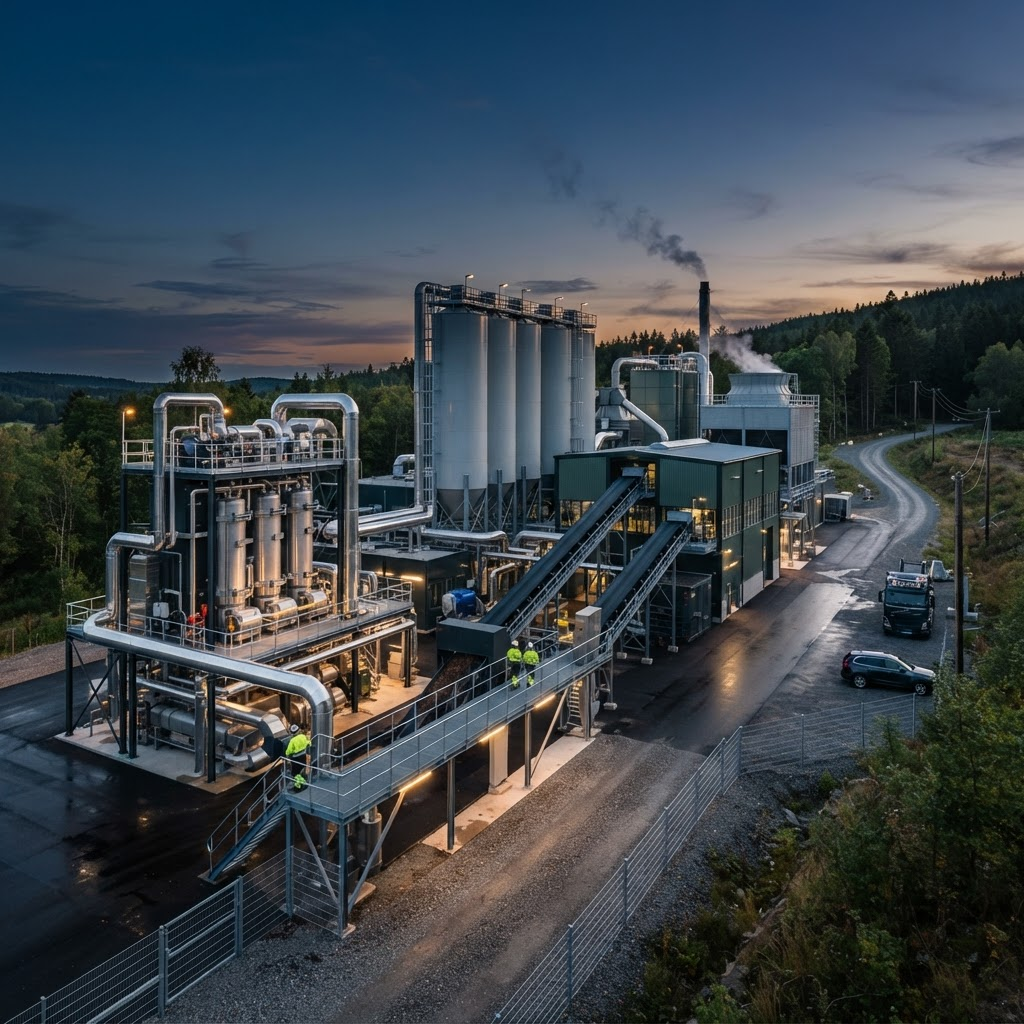
A regional circular model means the benefits stay close to home. Farmers gain a route to dispose of residues responsibly; local operations create jobs; and the region builds a new, sustainable industry on resources it already produces. This is the circular economy in practice — waste is only waste until it has a use.