What Is Biochar Carbon Removal — and Why It Matters for Andalucía
Biochar can lock atmospheric carbon into a stable form for centuries. Here is how the science works and why it is becoming a credible carbon-removal pathway.
Carbon removal is moving from the fringes of climate policy to the centre of corporate strategy. As organisations confront the reality that emissions reductions alone will not be enough to meet climate goals, attention is turning to credible ways of taking carbon back out of the atmosphere. Biochar is emerging as one of the more durable and measurable of these pathways.
The basic idea
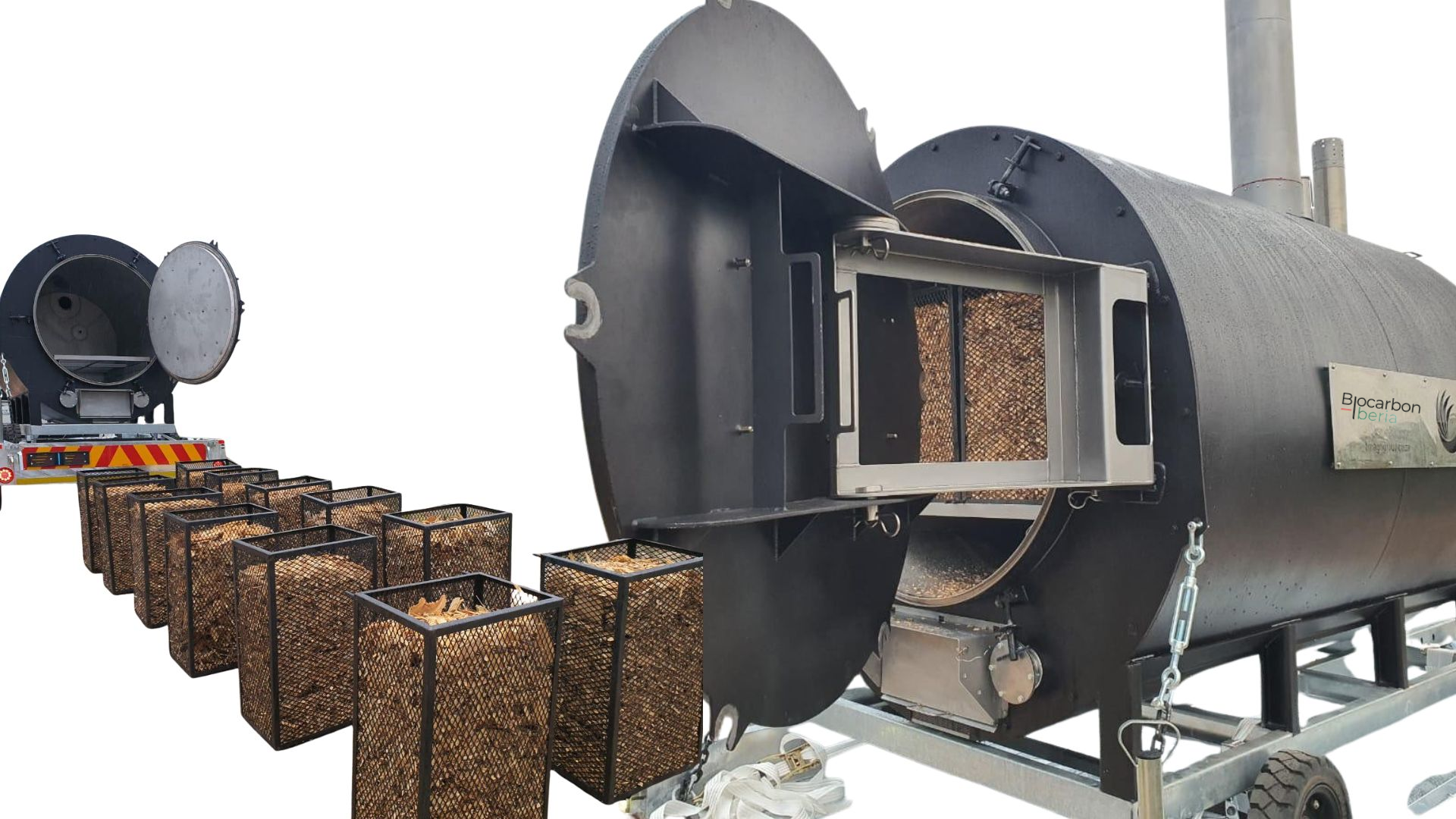
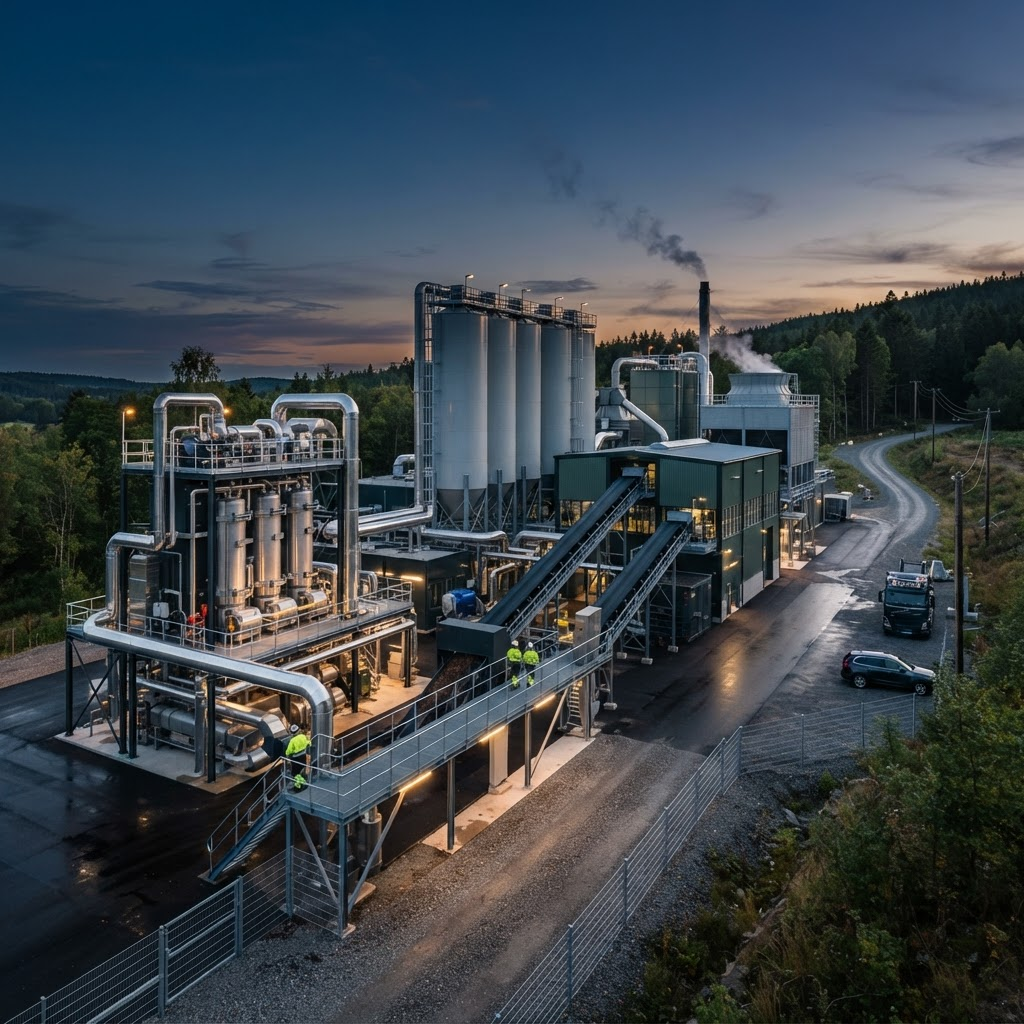
Plants absorb carbon dioxide as they grow. Normally, when that plant matter decomposes or is burned, the carbon returns to the atmosphere. Pyrolysis interrupts this cycle: by heating biomass in a low-oxygen environment, a large share of the carbon is converted into biochar — a stable, solid form that resists breaking down for a very long time.
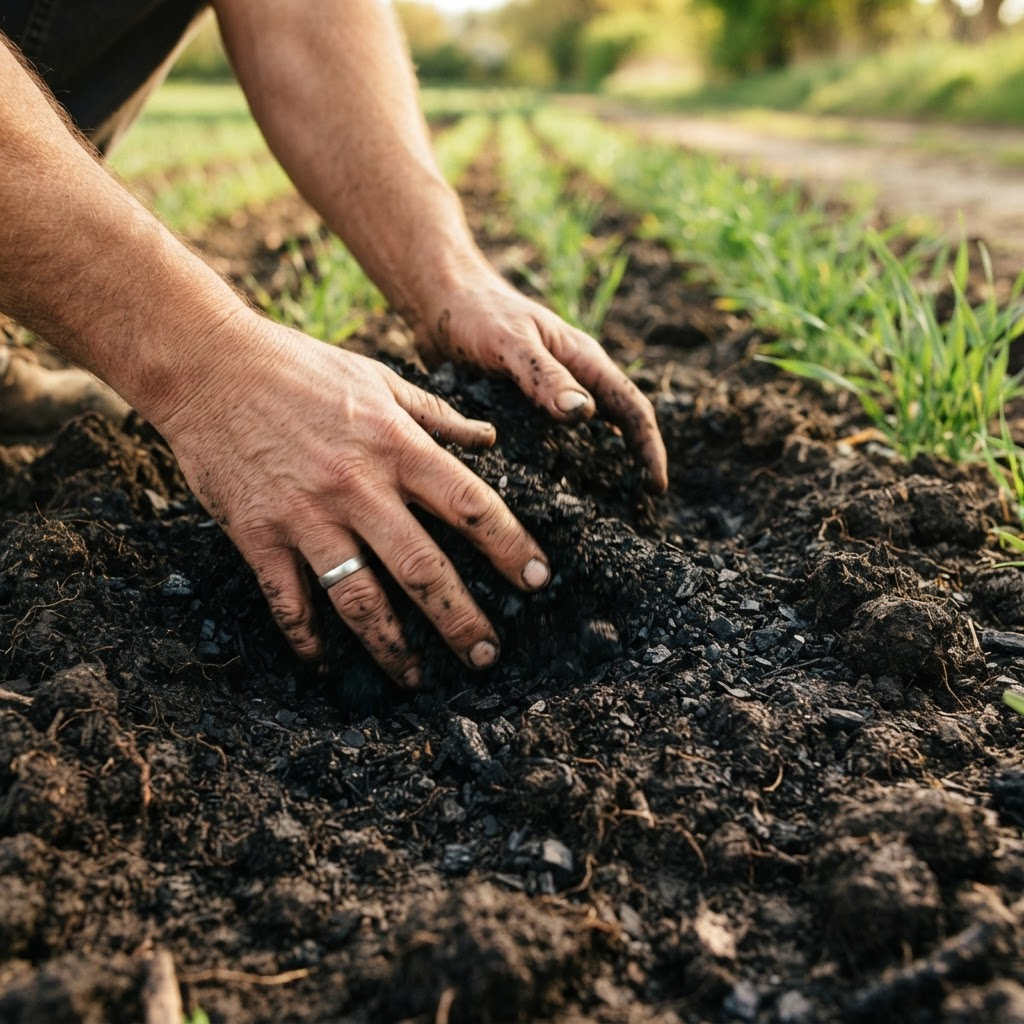
When that biochar is applied to soil or used in durable products, the carbon it holds is effectively kept out of the atmosphere. That is the essence of biochar carbon removal.
Why Andalucía is well placed
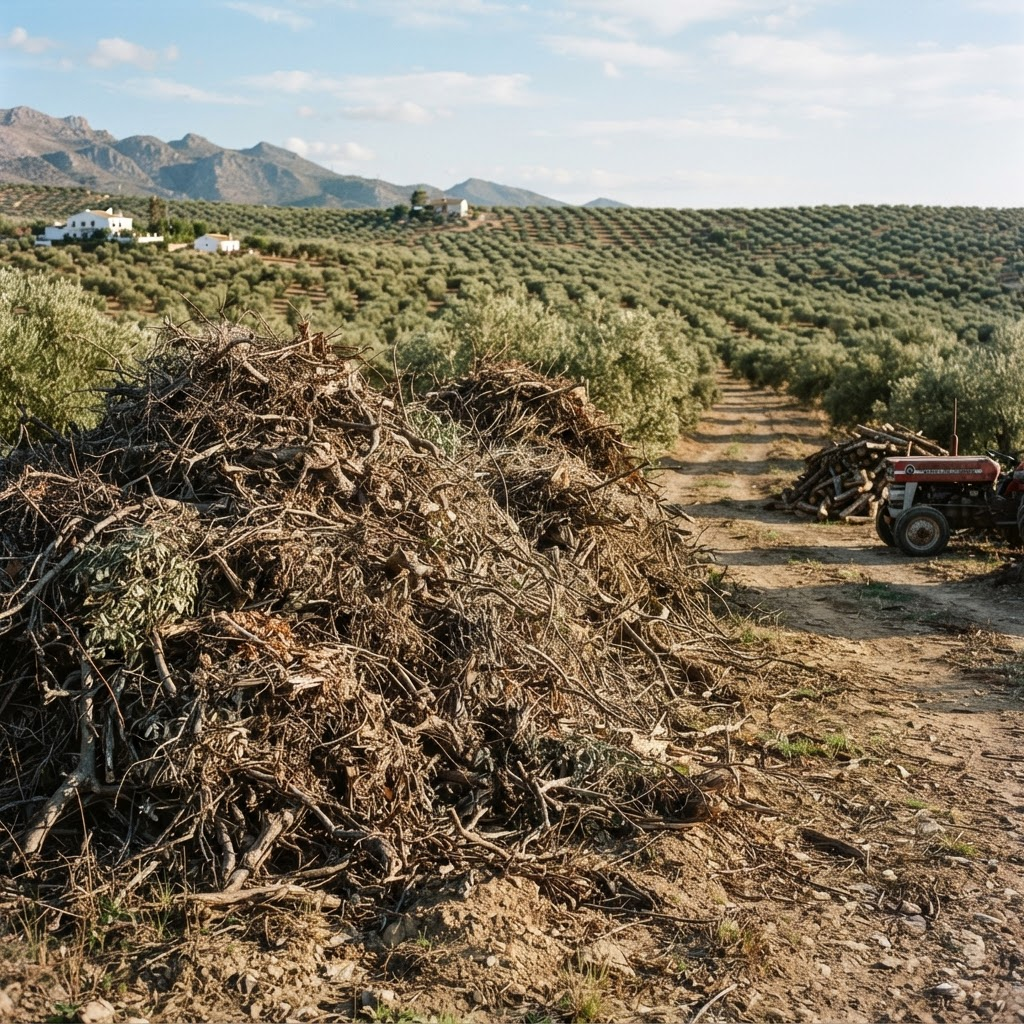
Andalucía produces enormous volumes of biomass residues each year — olive and vineyard prunings, forestry thinnings and more. Much of this is currently burned in the open or left to decompose. Channelling these residues into biochar production offers a way to turn a regional challenge into a regional asset.
Integrity matters
Not all carbon claims are equal. Credible removal must be measurable, durable, additional and independently verified. This is why measurement, reporting and verification (MRV) sits at the heart of any serious biochar project. Our intention is to build on recognised methodologies from the outset, so that every tonne of removal can stand up to scrutiny.